Guide to Architecting Acoustic Luxury in High-End Interiors
Compare luxury acoustic solutions like plaster and wood panels. Learn how to achieve NRC 0.85+ with invisible engineering for high-end architectural designs.
For High Net-Worth Individuals and the visionary architects who serve them, the pursuit of luxury extends beyond visible aesthetics. It delves into the palpable, the experiential – and increasingly, the inaudible. The challenge isn't simply choosing beautiful finishes; it's crafting an environment where silence is a design choice and sound an immersive experience, all without compromising the integrity of architectural vision. You’re evaluating how to achieve an acoustic haven that looks nothing like a typical sound studio. This guide bridges that gap, transforming complex acoustic science into actionable design blueprints for discerning luxury spaces.
The acoustic panel market is seeing a significant shift. While its growth averages a solid 6.7% CAGR, a substantial 33.6% of this demand now comes from high-end "lifestyle" sectors, moving away from purely industrial applications (Perplexity Research). Your clients expect spaces that look exquisite and feel supremely comfortable—a comfort often underscored by perfect sound.
The Silent Luxury Manifesto: Acoustics as the Ultimate Design Choice
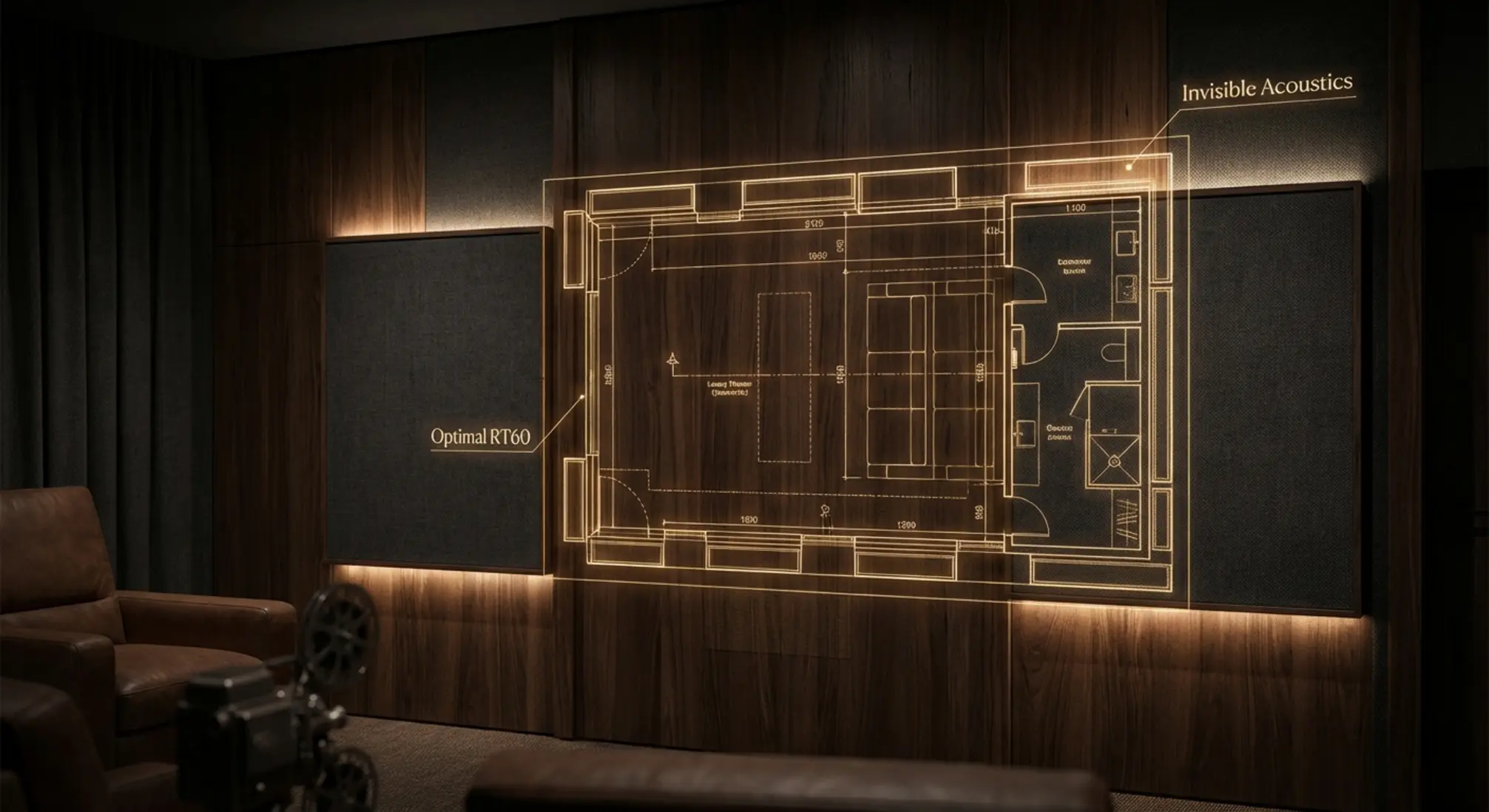
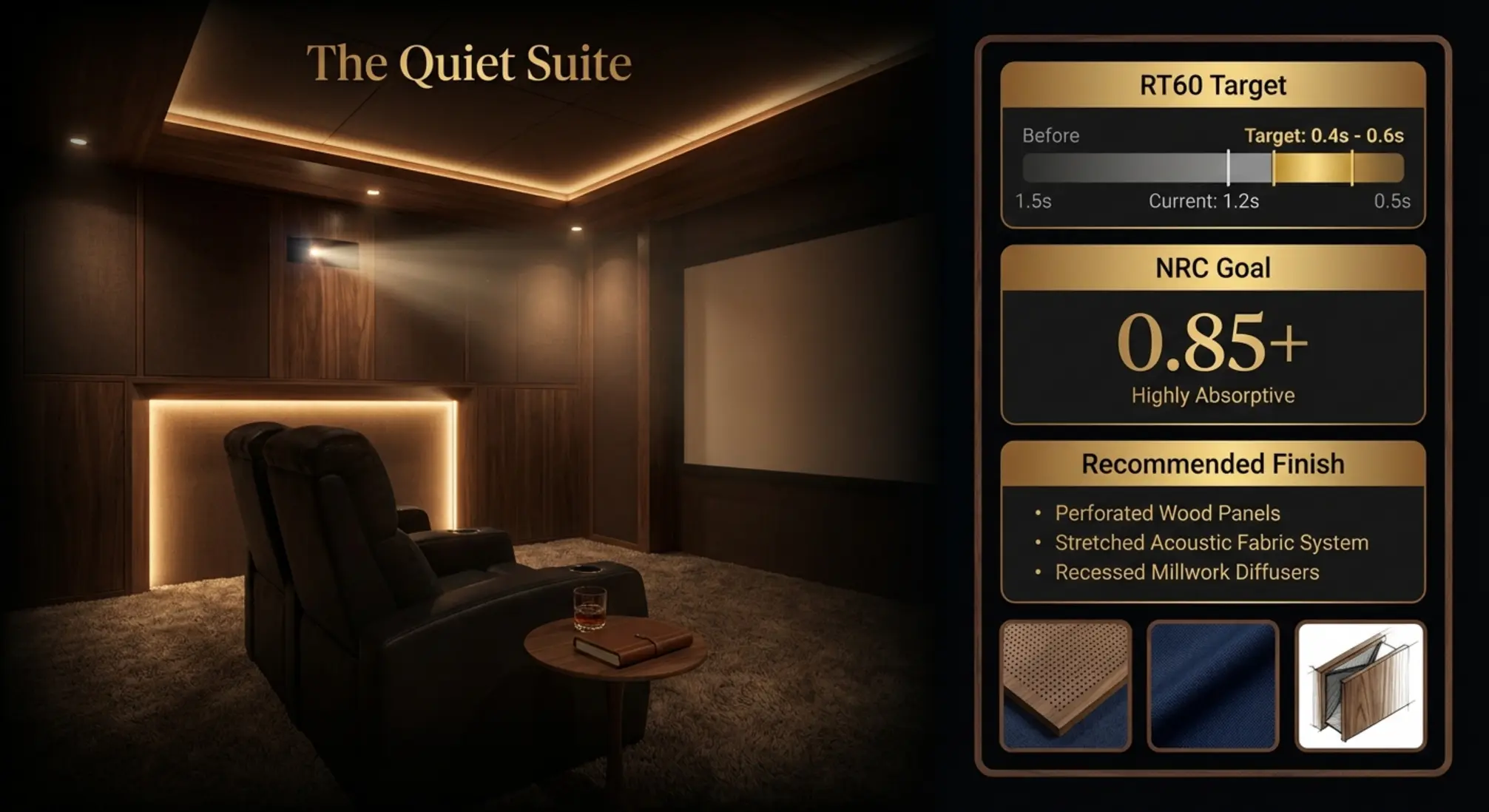
Forget visible foam panels or bulky diffusers. Modern luxury acoustics is about "invisible engineering." It’s about achieving an optimal Reverberation Time (RT60) – the time it takes for sound to decay in a room – without a single acoustic element drawing attention to itself. Most luxury homes, with their expansive hard surfaces like glass, marble, and hardwood, often register a challenging RT60 of 1.5 seconds or more. Discerning clients, however, expect between 0.4s to 0.7s (Technical Audit). This "performance gap" presents both a challenge and a monumental opportunity for true design integration.
We understand that you’re seeking elegant, discreet solutions that maintain an NRC (Noise Reduction Coefficient) of 0.85 or higher, ensuring premium sound absorption without the visual compromise. This is where expertise in both acoustic science and sophisticated interior design becomes paramount.
The Material Masterclass: Decoding Acoustic Luxury
Choosing the right acoustic material isn't just about sound absorption; it's about aesthetic integration and long-term value. Let’s compare common luxury options, considering both their technical performance and visual impact.
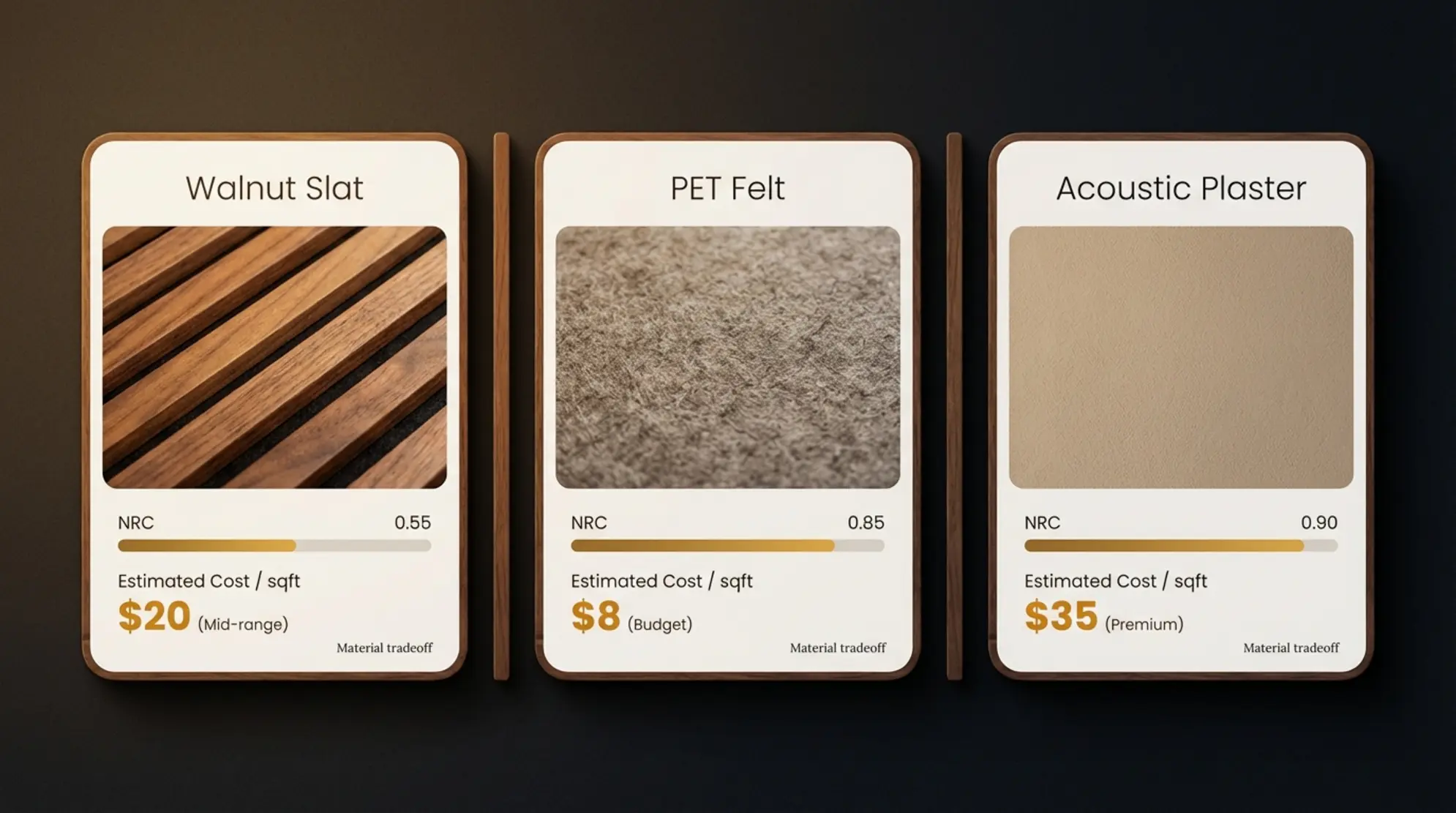
- Walnut Slat Panels: Visually striking and popular, these offer a balance of diffusion and absorption. Their linear design can enhance contemporary spaces. However, their acoustic performance is limited, often requiring significant surface area to achieve target NRCs for demanding environments like a dedicated home theater. While aesthetically pleasing, they are more of a design feature with acoustic benefits rather than a primary acoustic solution.
- PET Felt Systems: Available in various colors and densities, PET felt offers excellent absorption properties. It is versatile, sustainable, and can be easily customized in forms and patterns. While visible, its soft texture can blend well with textile-rich interiors. However, careful integration is needed to avoid a 'corporate office' aesthetic in luxury residential settings.
- Acoustic Plaster/Spray Systems: The pinnacle of invisible acoustics. These systems are applied like traditional plaster, yet contain microscopic pores that absorb sound rather than reflecting it. They are seamless, paintable, and completely conceal the acoustic treatment, making them ideal for spaces where aesthetics cannot be compromised. They can achieve superior NRCs with minimal visual impact, but at a higher cost and demanding specialized application.
The “invisible” premium is real. Homeowners are willing to pay a 25-40% premium for acoustic treatments seamlessly integrated into architectural features, as opposed to surface-mounted solutions. This validates the investment in truly bespoke integration.
Engineering the "Invisible": Technical-Aesthetic Blueprints
The true artistry lies in camouflaging high-performance acoustics. This involves meticulous planning, material layering, and clever architectural detailing.
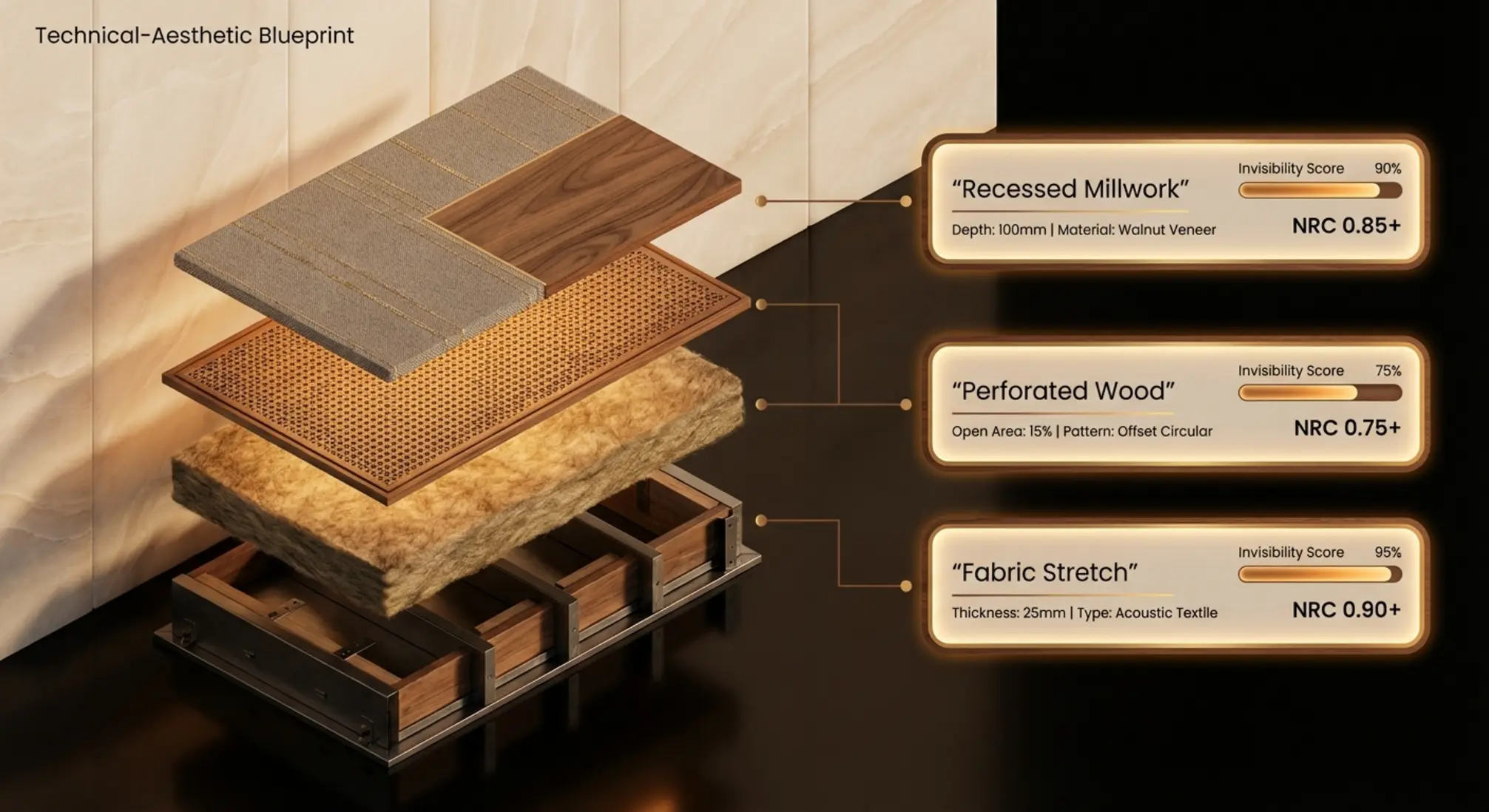
Strategies for seamless integration include:
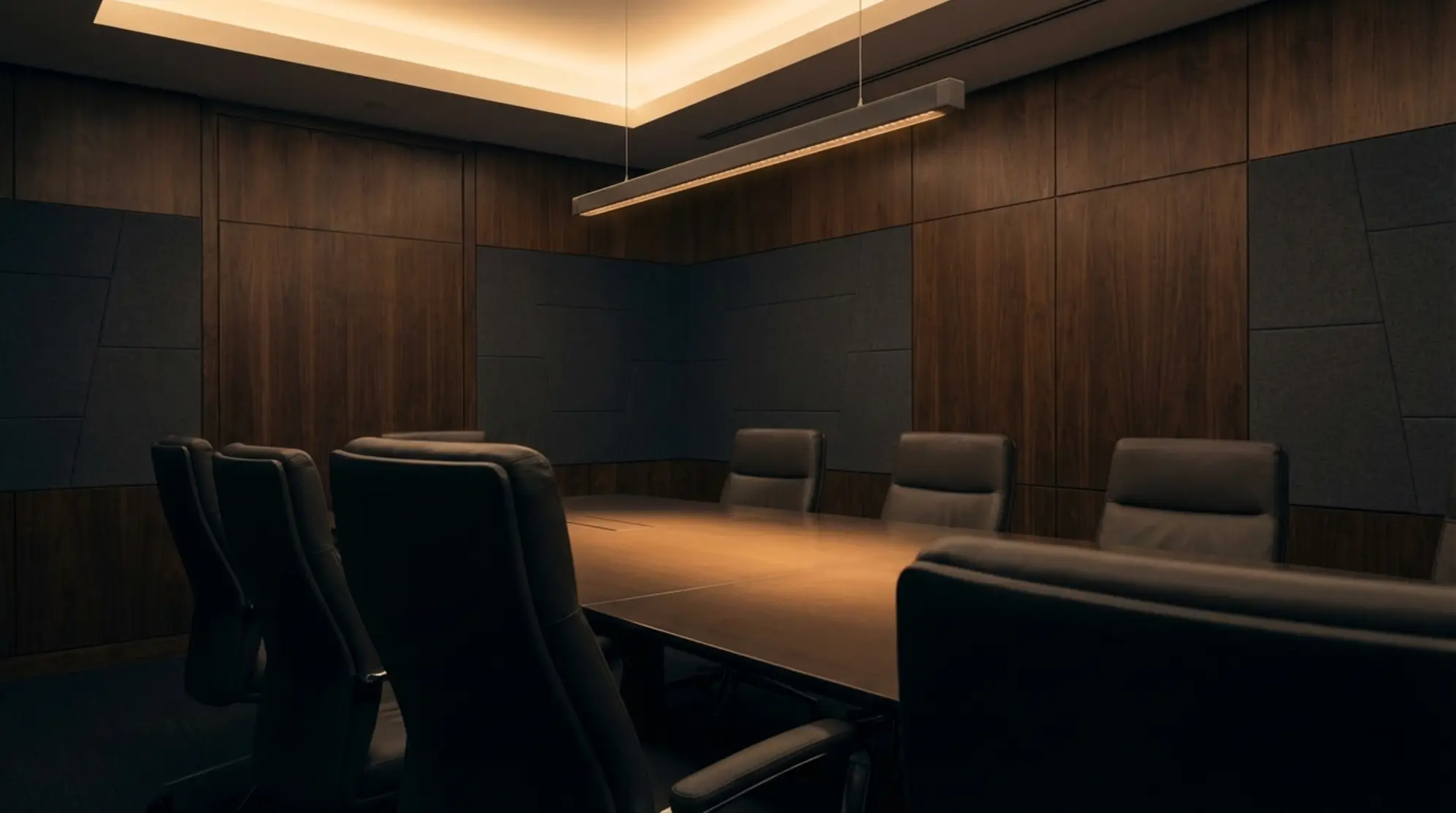
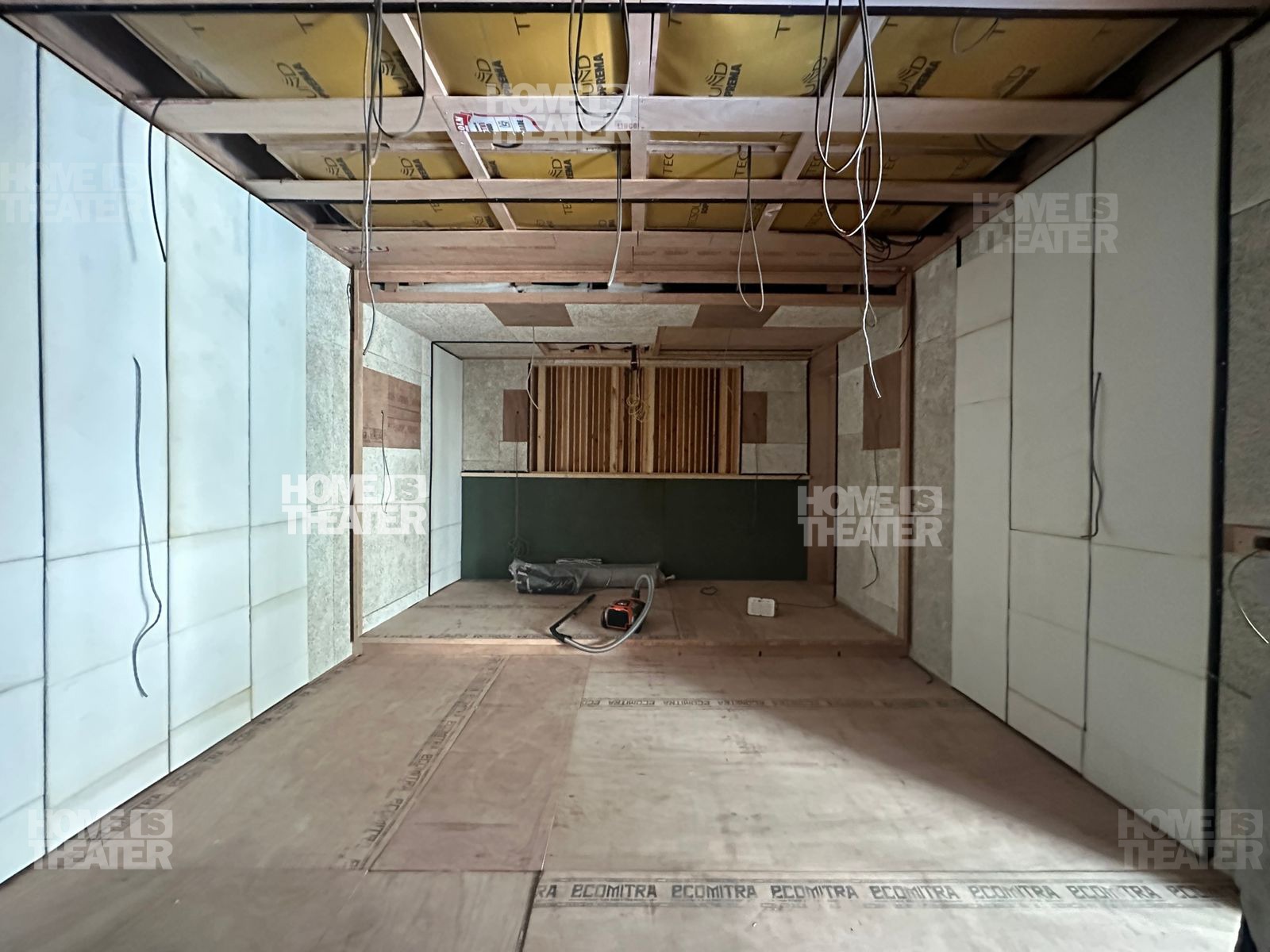
- Recessed Panels and Hidden Cavities: Acoustic panels are built into wall and ceiling cavities, then covered with perforated wood, micro-perforated metal, or acoustically transparent fabric. This allows for high-density absorption without visual intrusion. The "back-loading" of millwork ensures robust structural integrity while optimizing acoustic performance.
- Acoustically Transparent Stretch Fabric Systems: These are among the most versatile and aesthetically pleasing options. A framework is installed, acoustic insulation is placed behind it, and then a specialized acoustically transparent fabric is stretched taut across the frame. This creates a monolithic, seamless surface that can be color-matched to any interior. The lack of visual seams is critical for upscale environments focusing on design continuity. At HomeIsTheater, we excel in designing custom fabric stretch systems that disappear into your design.
- Perforated Wood and Veneers: Instead of solid wood, custom-perforated wood panels can be used as decorative finishes over acoustic absorption. The perforations can be micro-tiny, visible only upon close inspection, allowing sound to pass through to the absorbent material behind.
- Integrated Bass Trapping: Low-frequency issues are common in dedicated home theaters and can severely muddy sound. Bass traps are often large, but can be artfully hidden within bespoke cabinetry, behind false walls, or integrated into soffits and ceiling treatments.
Lighting & Acoustics Synergy: Illuminating the Experience
The interplay between lighting and acoustic design is often overlooked but profoundly impacts the perceived quality of a space. Smart lighting choices can enhance the effect of invisible acoustic treatments and contribute to the overall luxury experience.
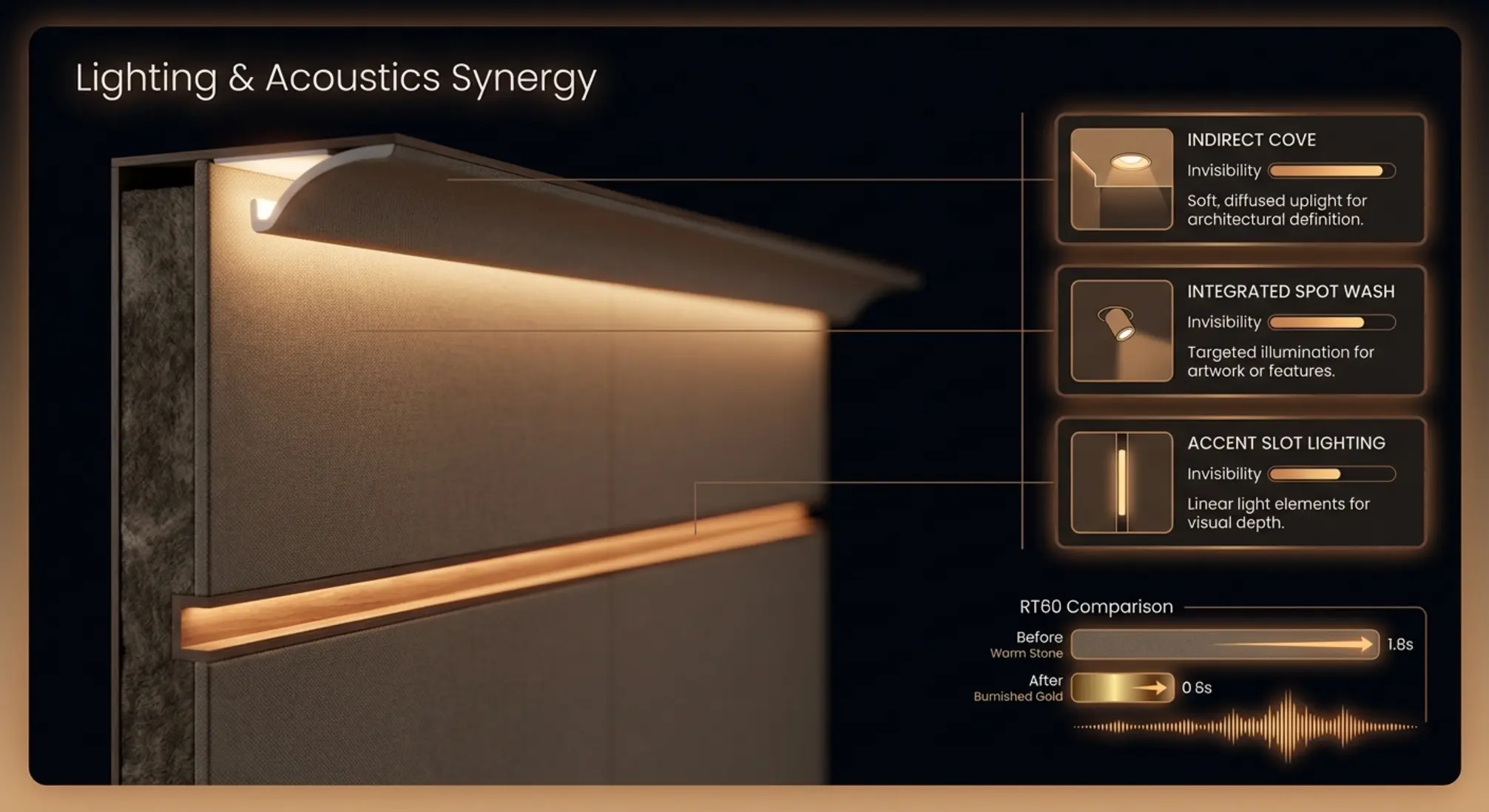
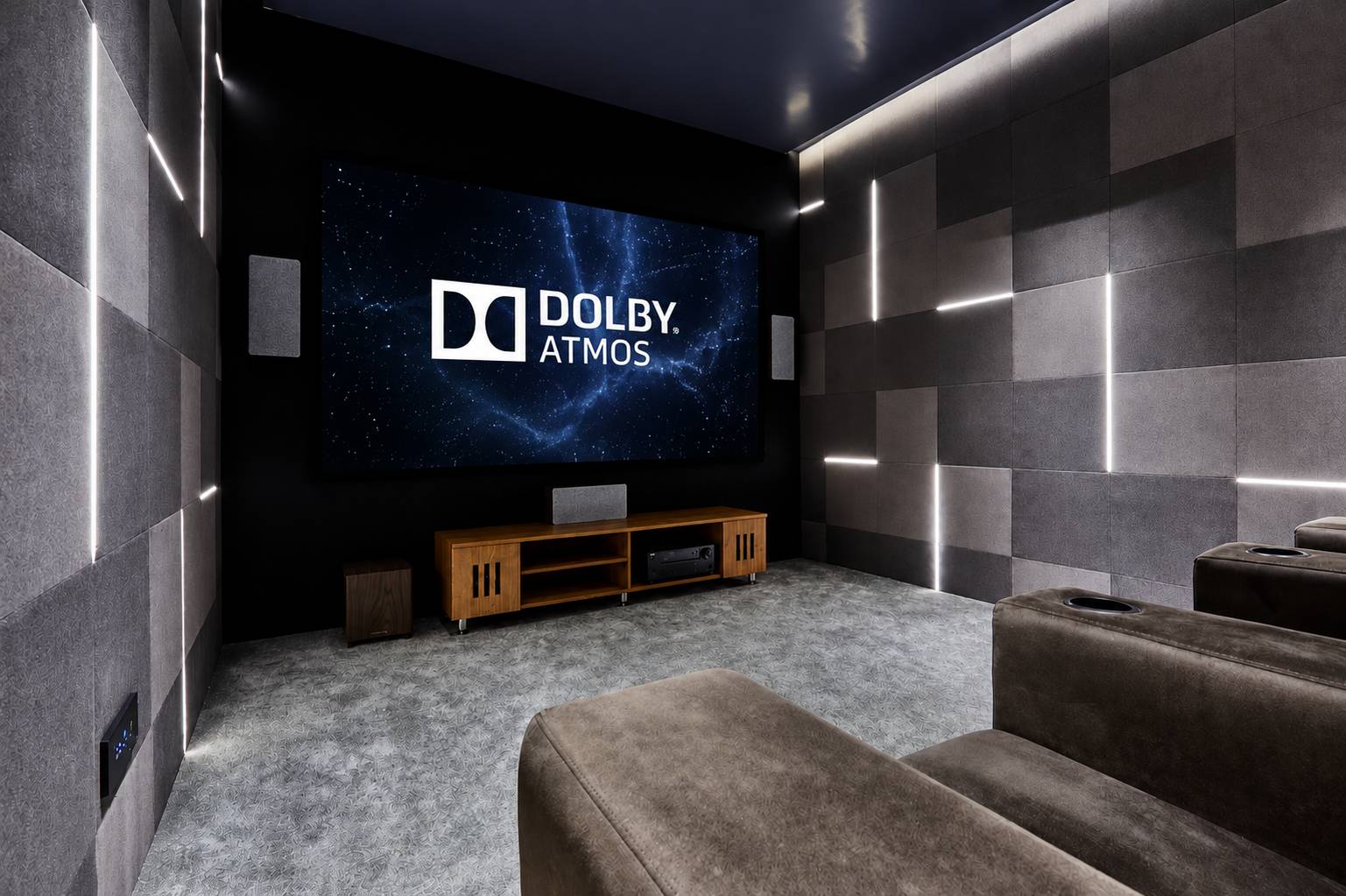
- Integrated LED Channels: Linear LED lighting can be recessed into the framing of custom fabric stretch systems or between perforated panels. This creates subtle architectural light features that highlight textures and delineate spaces, effectively drawing the eye away from the underlying acoustic treatment.
- Indirect and Cove Lighting: By bouncing light off acoustically treated ceilings and walls, indirect lighting creates a soft, ambient glow that minimizes shadows and visually softens surfaces. This technique further enhances the 'invisible' nature of acoustic materials, making them blend seamlessly.
- Task and Accent Lighting: Strategic use of focused task lighting can illuminate key design elements like artwork or architectural details, diverting attention from acoustic surfaces. Meanwhile, accent lighting adds depth and dimension, contributing to a premium feel that distracts from any subtle visual cues of acoustic treatment.
We leverage cross-silo lighting guides to ensure our acoustic installations are not just heard, but visually harmonious, a major search gap that we fill.
Room-Specific Blueprints: Tailored Acoustic Excellence
Every luxury space has unique acoustic requirements. Our approach ensures optimal performance whether it’s a dedicated home cinema, an expansive great room, or a serene quiet suite.
- High-End Home Cinema: Here, acoustics are paramount for an immersive experience. We focus on controlling reflections, managing bass frequencies, and isolating external noise. This often involves multi-layered wall constructions, extensive bass trapping hidden within custom millwork, and precisely placed absorption and diffusion elements for a natural, enveloping soundstage. For a truly immersive experience, explore our Home Theatre Design & Installation services.
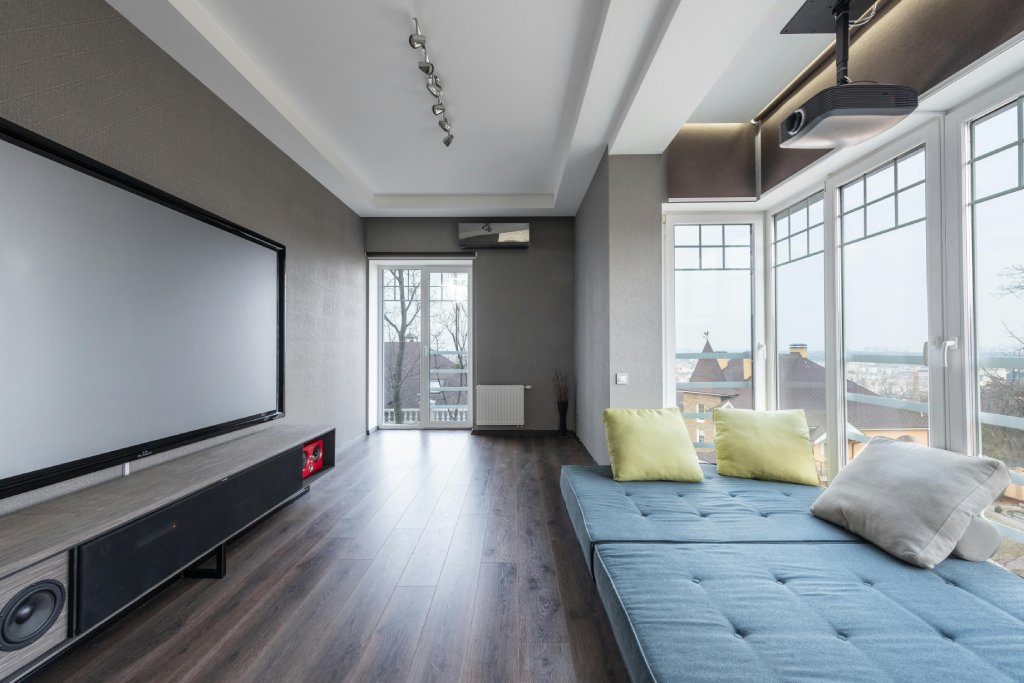
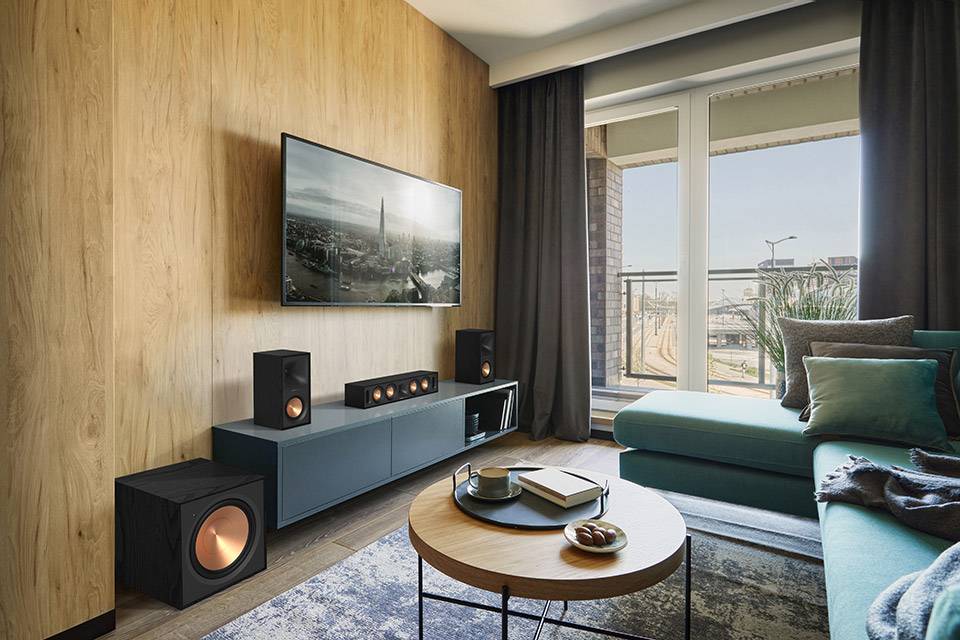
- Great Rooms & Open-Plan Living: These spaces are prone to echo and general noise buildup due to their size and often hard surfaces. Solutions here focus on broad-frequency absorption, often achieved with acoustic plaster on ceilings, integrated wall panels, and strategic use of soft furnishings. The goal is conversational clarity and a comfortable ambient noise level without visual clutter.
- Quiet Suites & Master Bedrooms: The emphasis shifts to soundproofing – isolating the space from external disturbances – and creating a calm, quiet internal environment. This involves dense wall and door constructions, vibration isolation, and subtle absorption for a serene atmosphere. Looking to integrate all your home's systems? Check out our Home Automation solutions.
The Decision Framework: Investment vs. Immersion
Investing in architectural acoustic integration is a strategic decision that enhances luxury, comfort, and ultimately, property value. It's about optimizing the cost-per-square-foot against the desired NRC rating and RT60 performance. While generic acoustic panels might offer a lower upfront cost, they rarely achieve the aesthetic integration or performance demanded by high-end projects.
The value of bespoke acoustic engineering lies in:
- Uncompromised Aesthetics: Invisible solutions that preserve or enhance your design vision.
- Superior Performance: Achieving target RT60 values (e.g., 0.4s to 0.7s) that far surpass standard luxury homes.
- Enhanced Wellbeing: Creating environments free from distracting noise, fostering focus, relaxation, and improved communication.
- Increased Property Value: A truly quiet and sonically rich space is a hallmark of premium construction and a significant differentiator.
Our projects often deliver an NRC of 0.85+ while remaining visually imperceptible, proving that luxury and performance can coexist. For commercial spaces with similar demands, consider our Commercial AV solutions.
Ready to Silence the Compromise?
We don't just sell components; we engineer experiences. Our team provides detailed "Technical-Aesthetic Blueprints" for every project, ensuring that every layer, every material, and every finish contributes to both visual splendor and acoustic perfection.
Frequently Asked Questions
Q1: How do you hide acoustic treatments in minimalist or highly stylized interiors?
A1: We employ several techniques, including acoustic plaster systems that are seamless and paintable, acoustically transparent stretch fabric systems that mimic traditional wall coverings, and integrated solutions where acoustic materials are hidden behind custom perforated millwork or grilles. The key is meticulous planning from the architectural design phase.
Q2: Is soundproofing the same as acoustic treatment?
A2: No, they serve different purposes. Soundproofing aims to prevent sound from entering or leaving a space, often involving heavy, dense materials and airtight construction. Acoustic treatment, on the other hand, focuses on improving the sound within a space by reducing echo and reverberation. Luxury spaces often require a combination of both for optimal comfort and performance.
Q3: What is Reverberation Time (RT60) and why is it important for luxury homes?
A3: RT60 is the time it takes for sound to decay by 60 decibels after the source has stopped. In luxury homes, an excessively long RT60 (common in rooms with many hard surfaces) leads to muddy sound, reduced speech intelligibility, and a general feeling of discomfort. Optimizing RT60 creates a clearer, more intimate, and refined sonic environment.
Q4: How much space does invisible acoustic treatment typically require?
A4: The space required varies depending on the room's original acoustics, the desired RT60, and the materials chosen. However, our "invisible" engineering approach focuses on integrating treatments within existing architectural elements like wall cavities, ceiling soffits, or behind decorative finishes, minimizing any noticeable footprint. Our goal is to achieve performance without perceptible visual space consumption.
Q5: Can these solutions be integrated with smart home automation?
A5: Absolutely. Acoustic treatments are a fundamental physical layer that supports superior audio performance, which is often controlled by smart home systems. We design our acoustic solutions to seamlessly complement comprehensive home automation systems, ensuring that lighting, climate, and entertainment all work in harmony within an acoustically optimized space.
Q6: What's the typical timeline for an architectural acoustic integration project?
A6: As each project is bespoke, timelines vary. However, proper integration of acoustics means planning begins early in the design phase, often in parallel with architectural and interior design. The installation phase itself is typically integrated into the construction schedule, ensuring a smooth, coordinated process that avoids delays. We prioritize meticulous planning to ensure efficient execution.
Elevate Your Vision. Engineer Your Sound.
Ready to transcend the ordinary and create spaces that resonate with both visual and auditory perfection? Our team brings over two decades of expertise in sound design and architectural integration to every project. We invite you to experience the difference firsthand at our demo room in Bangalore or to connect with us for a consultation. Let's design an environment where luxury is not just seen, but profoundly felt.